


Blog
Best Indian Spices Exporter in India

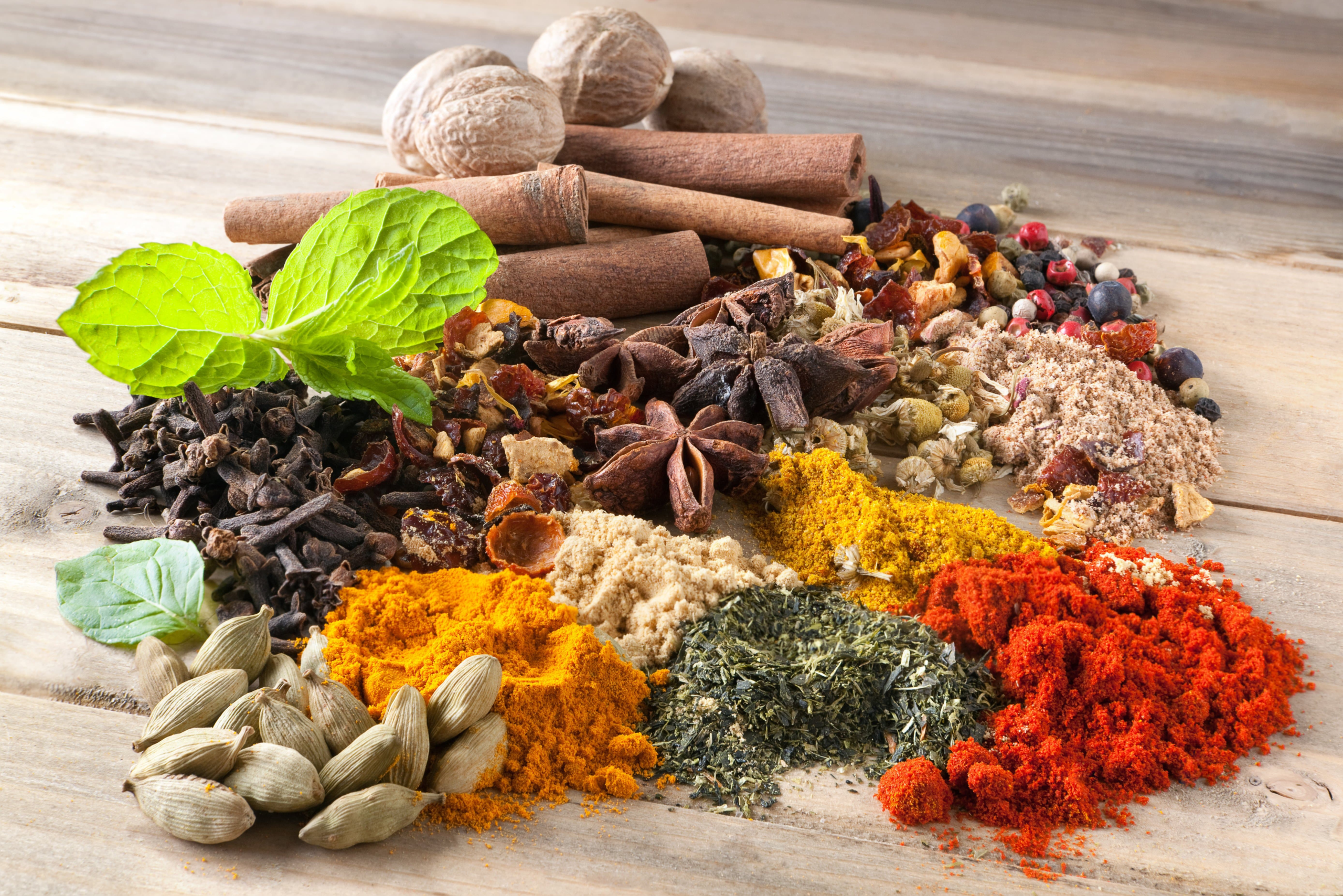
India is globally recognized for its rich variety of spices, traditional cultivation practices, and strong spice-processing industry. From aromatic turmeric and bold black pepper to fragrant cumin, coriander, cardamom, and chilli, Indian spices are valued by food manufacturers, distributors, wholesalers, retailers, and hospitality businesses across international markets. Choosing the best Indian spices exporter in India is therefore important for businesses looking for consistent quality, reliable supply, competitive pricing, and professional export services.
Why India Is a Leading Spices Exporting Country
India has a unique advantage in the global spice industry because of its diverse climate, fertile agricultural regions, and centuries-old spice-growing traditions. Different parts of the country are known for producing different varieties of spices, allowing Indian exporters to offer a broad product portfolio.
Indian spices are used in food processing, restaurants, packaged foods, ready-to-eat products, beverages, sauces, seasonings, and traditional cuisines. Their strong natural aroma, flavor, color, and versatility make them highly demanded in international markets.
A professional Indian spices exporter connects farmers, processors, manufacturers, and overseas buyers while ensuring that products meet the required quality and export standards.
What Makes the Best Indian Spices Exporter?
Finding a reliable spice supplier is about more than simply comparing prices. International buyers should consider product quality, sourcing capabilities, documentation, packaging, consistency, and delivery performance.
The best Indian spices exporter in India generally focuses on:
- Consistent product quality and specifications
- Hygienic processing and handling
- Reliable sourcing from suitable production regions
- Proper grading, cleaning, and packaging
- Export-ready documentation
- Bulk and customized packaging options
- Competitive international pricing
- Timely order processing and shipment coordination
- Transparent communication with buyers
- Compliance with destination-country requirements
A dependable exporter should also understand the requirements of different markets and provide suitable products according to buyer specifications.
Wide Range of Indian Spices for Global Markets
One of the biggest advantages of working with an established Indian spice exporter is access to a wide range of products. Depending on the supplier, buyers can source whole spices, ground spices, spice powders, and customized blends.
Popular Indian spices available for export include:
Turmeric
Indian turmeric is widely appreciated for its distinctive color, earthy aroma, and culinary applications. Turmeric fingers and turmeric powder are commonly supplied to international food businesses.
Cumin
Cumin is one of India’s important spice products and is extensively used in Asian, Middle Eastern, African, and international cuisines. Exporters can supply whole cumin seeds as well as processed forms.
Coriander
Coriander seeds and coriander powder are used extensively in seasoning, sauces, curry preparations, and food manufacturing. Indian coriander is an important product in the global spice trade.
Red Chilli
Indian red chilli is available in different varieties, colors, heat levels, and forms. It is widely used by food manufacturers, spice companies, restaurants, and seasoning producers.
Black Pepper
Known for its strong aroma and sharp flavor, Indian black pepper is used in culinary preparations, spice blends, processed foods, and seasoning products.
Cardamom
Indian cardamom is valued for its distinctive fragrance and flavor. It is commonly used in beverages, sweets, bakery products, desserts, and traditional cuisines.
Quality Is the Foundation of Spice Exports
Quality consistency is one of the most important factors when selecting a spices exporter in India. International buyers need confidence that every shipment will meet agreed specifications.
A professional exporter should have appropriate processes for cleaning, grading, sorting, processing, packaging, and storage. Depending on the product and destination market, buyers may also require specifications relating to moisture, purity, microbial parameters, pesticide residues, color, size, and other quality characteristics.
Proper packaging is equally important because spices can be affected by moisture, contamination, heat, and improper storage. Export-grade packaging helps protect product quality throughout transportation and storage.
Indian Spice Exporter for Bulk and Customized Requirements
Different buyers have different requirements. A food manufacturer may need large-volume bulk supplies, while a distributor may require specific packaging sizes and labeling.
A capable Indian spices exporter can support requirements such as:
- Bulk commercial orders
- Whole spices
- Spice powders
- Customized specifications
- Private-label requirements
- Different packaging sizes
- Retail-ready packaging
- Food manufacturing requirements
- Regular recurring shipments
Customization helps international buyers build a dependable supply chain according to their product and market requirements.
Exporting Indian Spices to International Markets
Indian spices are supplied to buyers across numerous regions, including the Middle East, Europe, North America, Africa, and Asia-Pacific. Each destination can have different import regulations, labeling requirements, documentation standards, and quality expectations.
An experienced exporter can help coordinate essential export processes, including commercial documentation, packaging specifications, shipment coordination, and other buyer requirements.
For international businesses, working with an experienced supplier can make sourcing Indian spices more efficient and reduce potential supply-chain challenges.
Why Choose an Experienced Indian Spices Supplier?
A long-term spice sourcing relationship depends on reliability. Buyers need a supplier that can maintain product specifications, communicate clearly, handle orders professionally, and support repeat shipments.
The right exporter can provide several advantages:
Reliable sourcing: Strong supplier networks can help maintain regular product availability.
Consistent quality: Standardized processing and quality checks help maintain specifications between shipments.
Competitive pricing: Direct sourcing and efficient supply chains can help international buyers obtain competitive commercial prices.
Export support: Professional documentation and shipment coordination make international procurement easier.
Flexible packaging: Buyers can select packaging based on their distribution and market requirements.
Choosing the Right Spices Exporter in India
Before finalizing a supplier, international buyers should evaluate product specifications, quality standards, certifications, packaging capabilities, minimum order quantities, export experience, payment terms, and delivery timelines.
It is also beneficial to request product samples and specifications before placing a large commercial order. Clear communication about quality parameters and destination-market requirements can help create a smoother long-term business relationship.
Conclusion
India’s strong agricultural base, extensive spice varieties, processing capabilities, and established export infrastructure make it one of the world’s important sources for spices. For international buyers, selecting the best Indian spices exporter in India means finding a supplier that combines quality, consistency, reliable sourcing, competitive pricing, professional documentation, and dependable customer support.
Whether the requirement is turmeric, cumin, coriander, red chilli, black pepper, cardamom, or other Indian spices, partnering with an experienced exporter can help businesses establish a reliable and scalable international spice supply chain. A quality-focused Indian spice exporter can become more than just a supplier—it can be a long-term sourcing partner for global food businesses.


