


Blog
The Global Spice Shift: Why China is Becoming a Go-To Source for Red Chilli Exporters

The Global Spice Shift: Why China is Becoming a Go-To Source for Red Chilli Exporters
Red chilli is basically the heartbeat of the global spice trade. Whether it’s that fiery kick in a bag of spicy chips or the deep crimson hue of a gourmet curry, the demand for high-quality capsicum is just skyrocketing right now.
While everyone usually looks at the “traditional” markets, China has quietly emerged as a total powerhouse in the red chilli export scene. But what actually makes Chinese red chilli stand out in such a crowded global market? This guide breaks down what you actually need to know about sourcing, quality, and the varieties that are dominating the supply chain today.
Inside China’s Chilli Hubs: Where the Heat Grows
China isn’t just “producing” chilli; it’s scaling it with some serious precision. Major agricultural provinces like Henan, Shandong, and Xinjiang have become the “spice baskets” of the East. Thanks to a mix of great weather and massive investment in ag-tech, these regions are cranking out millions of tons every year.
So, what are buyers actually importing?
Whole Dried Pods: Mostly sun-dried for that authentic, smoky aroma.
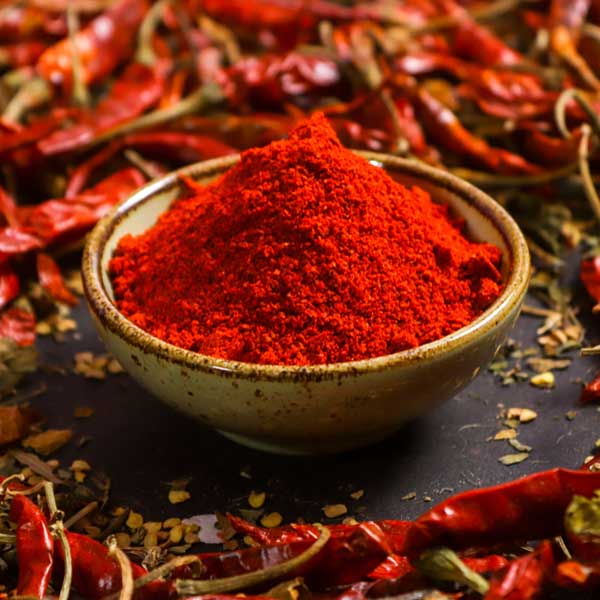
Crushed Flakes & Powders: Processed in high-tech facilities to ensure the heat levels stay uniform.
High-Value Paprika: Mostly prized for its ASTA (color) value rather than just the heat.
4 Reasons Buyers are Switching to Chinese Exporters
If you’re managing a supply chain, you know that consistency is king. Here is why more international food manufacturers are looking toward China:
- Massive Scale & Stable Supply: Unlike some smaller producing nations, China’s mechanized farming means they can actually fulfill bulk orders even when global yields are acting up.
- Advanced Sorting Tech: The top exporters are now using automated color sorters and metal detectors. It’s not just “farm-to-table” anymore; it’s more like “lab-to-table” precision.
- Strategic Logistics: Since they have huge ports like Qingdao and Shanghai, shipping lead times to Europe, Asia, and the Americas are usually way more predictable.
- Competitive Edge: Efficiency in the factories allows for pricing that helps wholesalers keep their margins without cutting corners on food safety.
Finding Your Flavor: Popular Varieties to Watch
Let’s be real—not all chillies are created equal. Depending on your market, you’ll probably want to specify one of these:
- Tianjin Chilli: The “all-rounder.” Medium heat, bright red, and perfect for making powder.
- Chaotian (Facing Heaven): For the real heat-seekers. These little pods pack a punch and are staples in spicy Asian cooking.
- Erjingtiao: The “secret” behind real Sichuan food—it’s prized more for its incredible smell than just the bite.
- Sweet Paprika: The go-to for food coloring and mild seasoning in Western markets.
- Quality Control: Don’t Skip the “Fine Print”
- Sourcing internationally always has its risks—especially with things like Aflatoxins or pesticide residues. To make sure your shipment doesn’t get stuck at customs (a total nightmare), look for exporters with these certifications:
- ISO 22000 & HACCP: The absolute basics of food safety.
- BRC & FDA Registration: Essential if you’re shipping to the UK or the States.Steam Sterilization: A “must-have” for premium markets to keep the microbial counts low.
- Pro Tip: Always, always request a SGS or third-party inspection report before the container ever leaves the port. It’s honestly the cheapest insurance policy you’ll ever buy.
The Bottom Line: Is China Right for Your Spice Business?
The spice trade is changing. While India is still a giant in the industry, China’s focus on traceability and high-tech processing makes them a really attractive partner for modern food brands.
If you focus on verified suppliers and get your specs right—like ASTA color values and SHU (Scoville) heat levels—you can build a really solid, high-quality supply chain.
Looking to streamline your spice sourcing?
Whether you’re a wholesaler or a food manufacturer, getting the right data on harvest seasons and pricing is key.


